WMM Software Development GmbH WMM SOFTWARE Development GmbH · Bad Wörishofen
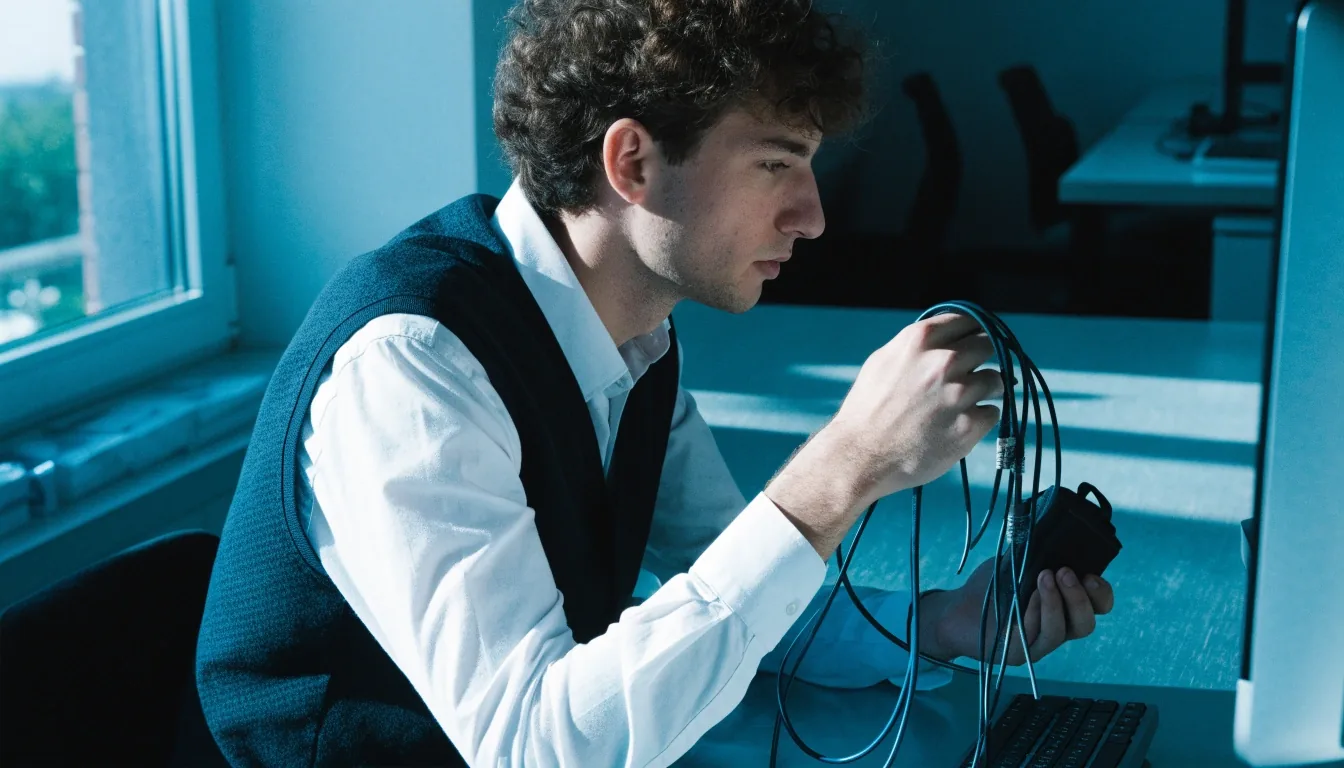
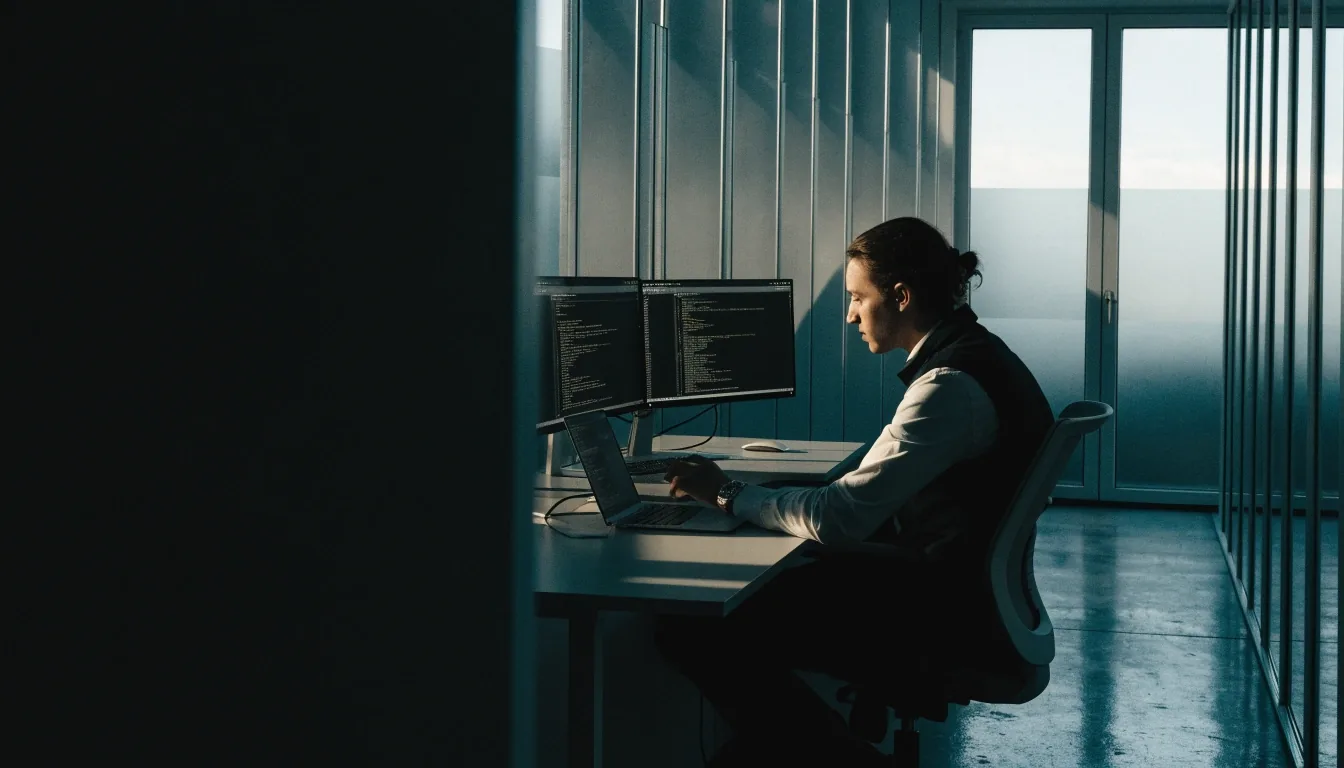
Engineer working at a desk in the Bad Wörishofen office

Software Development — Bad Wörishofen

Custom Software Development for German Businesses, Planned in Stages

Precise software, steady support, measured work daily. We start with the workflow, move to the data it needs, and only then choose technology — so a project stays tied to a business problem rather than to a preferred stack.

Request a software scoping call

Written scope with phases, deliverables and open questions — before any code is written.

Tailored applications · System integration · Cloud migration · Testing and maintenance

The ticket queue

When a tailored application makes sense

A tailored application makes sense when a standard product cannot match a core process without constant workarounds. If staff spend hours each week copying data between programs, or if a customer experience depends on a spreadsheet, a custom build may pay for itself through saved time. If a standard product already fits, we recommend that route instead.

Tailored applications

In scope
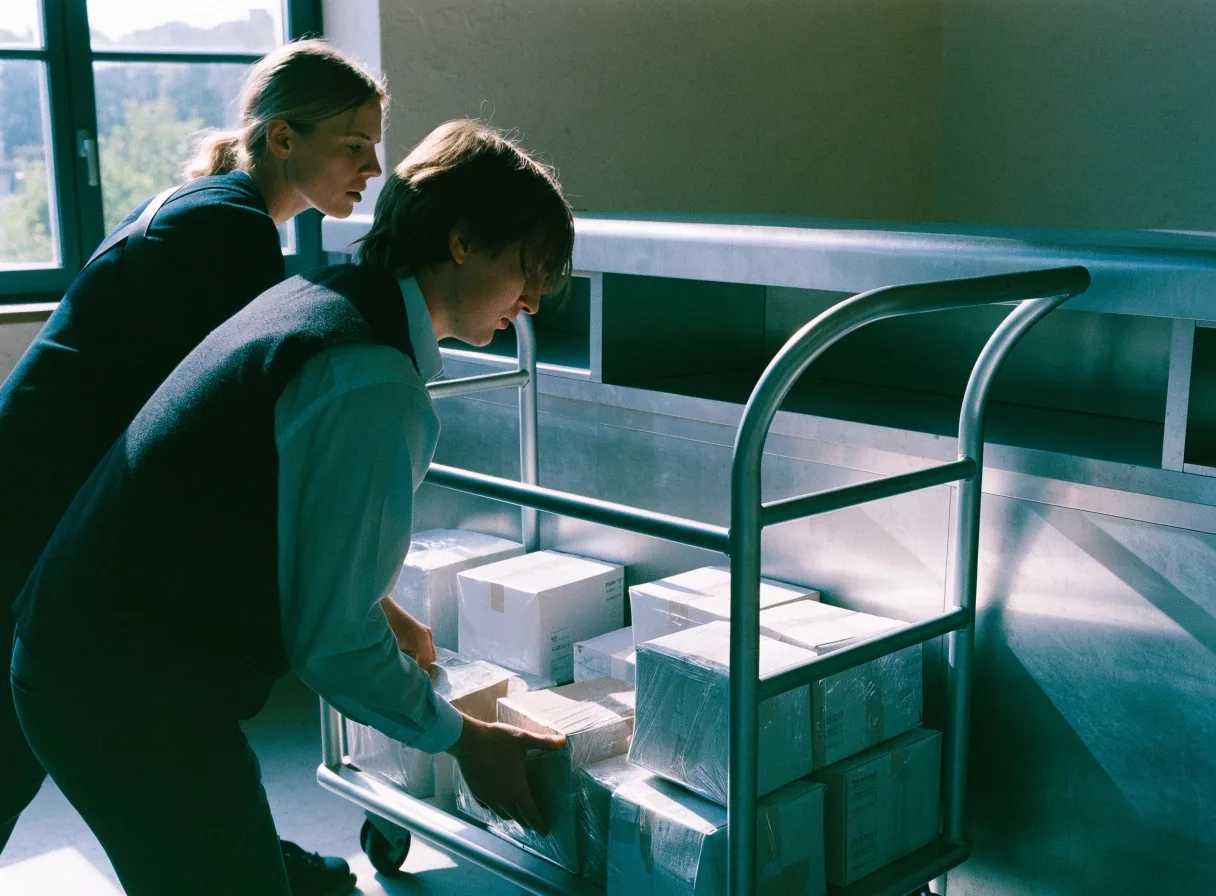
ERP work in use in an office

A pricing tool that follows a company's own rules, a portal for customers to track delivery status, or an internal dashboard that combines data from several sources. The test is practical: does the process matter enough, and does the workaround cost enough time, to justify a build of its own?

Custom software development in Germany covers a wide range — from a small internal tool to a full ERP extension. We help you judge where your project sits on that range before you commit.

System integration

Part of the build

Most custom software in a German business does not stand alone. It must exchange data with ERP, CRM, accounting or warehouse systems — so integration is planned from the first phase, not added later.

Discuss system integration needs

CRM workflow

In use
CRM workflow in use at a desk

Sales and operations work is where a custom build often earns its keep first: fewer manual handovers, clearer ownership, and data that stays in one place.

Scoping before code

Scoping before any code is written

Scoping is where a software project is won or lost. We hold a structured conversation about users, processes, data sources and deadlines, then produce a written scope with phases, deliverables and open questions. The scope separates a first release from later enhancements, so a client can launch a working version and add features in order of value. We also agree on who provides data, who tests and who approves each phase.

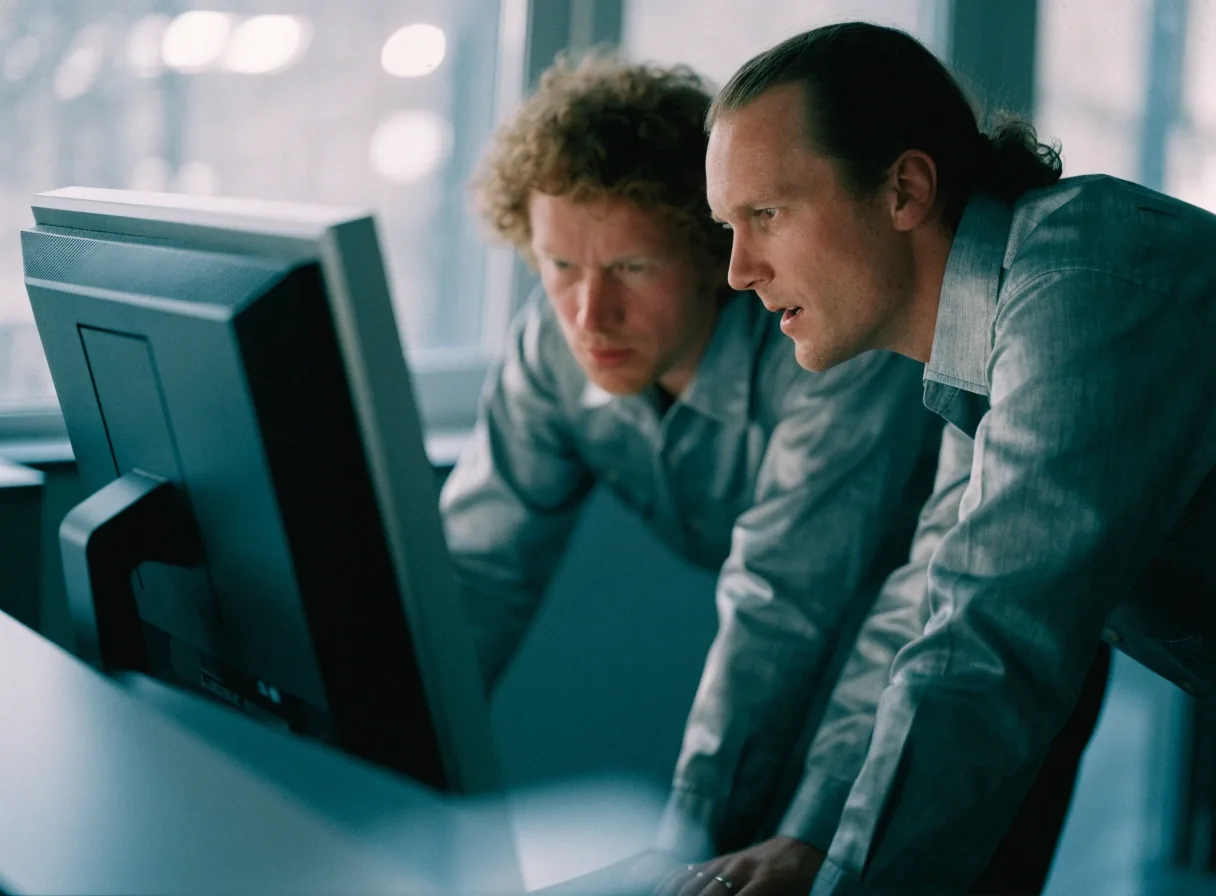
Two engineers reviewing work at a desk

Application management handover at the desk in Bad Wörishofen — the working conversation behind every phased plan.

System integration as part of custom builds

System integration, or Systemintegration, is part of the build, not an afterthought. We map the fields that must move, the timing of each transfer and the error handling when a transfer fails. Interfaces are documented so a future administrator can understand them. Integration testing uses realistic data volumes, because a link that works with ten records may fail with ten thousand.

  • ERP

    Orders, stock and finance data exchanged on a schedule both sides can rely on.

  • CRM

    Customer and sales records kept current without manual copying between systems.

  • Finance

    Accounting and warehouse transfers with clear error handling when a transfer fails.

Cloud migration and infrastructure choices

Cloud migration is often discussed as if it were a single switch. In practice it is a series of choices about hosting, access, backup and data location. We assess whether an application should run in the cloud, on local servers or in a hybrid arrangement based on cost, performance and compliance needs. Security questions, including user roles and encryption in transit, are covered during design.

The client receives a migration plan with rollback steps, so a failed step can be reversed without losing business data.

Ask about cloud migration planning
Engineer troubleshooting at a desk

Infrastructure decisions are made at the desk, with the systems in the room — not in the abstract.

The process ledger

Testing, delivery and upkeep

How work arrives, how it is checked, and how it stays working after launch.

Testing

Testing with real data and real users

Testing is not a final check performed by the developer alone. We prepare test data that reflects the client's actual records, then ask named users to complete their normal tasks. Errors found at this stage are cheap to fix; errors found after launch, when a sales team depends on the system, are expensive. Test results are recorded, and a release is approved only when agreed criteria are met. Training follows testing, so staff learn the system in the context of their own work rather than from generic examples.

Delivery models

In-house, outsourced, or hybrid

German mid-market companies use three common delivery models: in-house teams, outsourced partners and hybrid arrangements. In-house teams offer deep process knowledge but limited capacity for large projects. Outsourced partners offer capacity and breadth but need clear communication. Hybrid models combine both, with WMM providing development or integration while the client team handles testing and product decisions. We discuss these models during scoping and recommend the one that fits the client's capacity.

Maintenance

Maintenance, Wartung, and ongoing development

Launch is the middle of a software project, not the end. Wartung covers updates, bug fixes, performance checks and small enhancements that keep an application aligned with a changing business. We offer maintenance and application management under a support contract, with defined channels for requests and priorities. Changes are estimated and scheduled, so urgent fixes do not crowd out planned work. Documentation is updated with each release, which keeps the system maintainable if staff change on either side.

Plan ongoing software maintenance

Questions to ask before you start

Before starting a custom software project in Germany, ask who will own the code and documentation, how data will be migrated, and how support will be handled after launch. Ask how security and access control will be implemented, and what happens if the project scope changes. Ask for a phased plan with review points rather than a single distant deadline.

Who owns the code and documentation?

WMM answers this in writing during scoping, along with data migration and post-launch support.

How is security and access control handled?

User roles and encryption in transit are covered during design, before migration or build begins.

What if the project does not fit?

If a project does not fit our capacity or expertise, we explain that clearly and suggest alternatives, including a standard product where that is the better route.

WMM Software Development GmbH

Bring your workflow. Leave with a plan.

Tell us about the process that is slowing you down. We reply with a scoped next step — or explain plainly if a standard product would serve you better.

Office

Adolf-Scholz-Allee 8, 86825 Bad Wörishofen

[email protected]

+49 8247 593971

Monday to Friday, 9:00 AM – 6:00 PM